
Best USSSA Bats by Age Group (2026 Guide)

A parent and coach’s realistic breakdown of what actually works
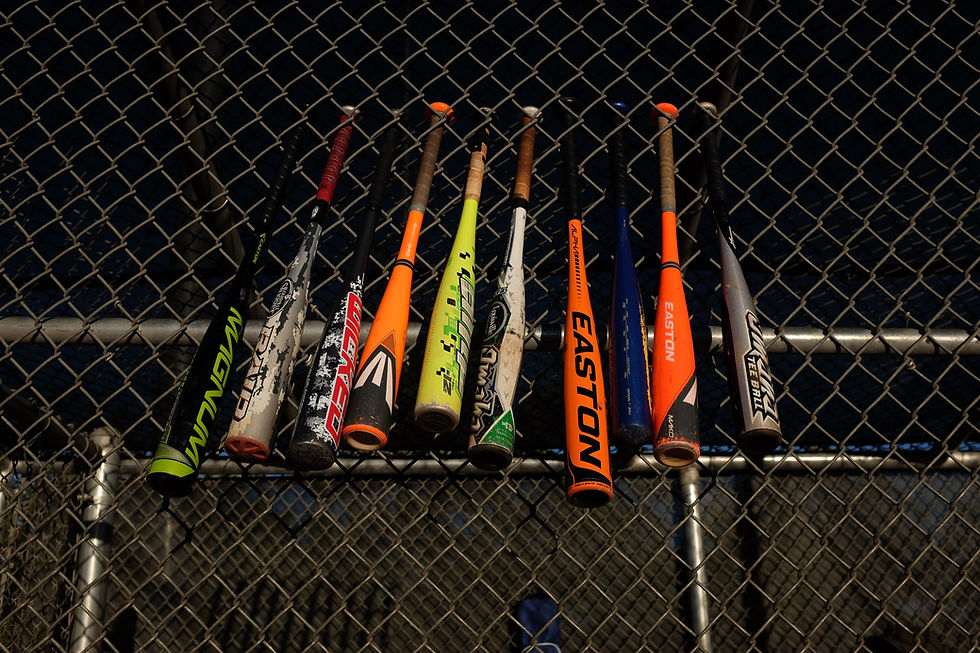
Buying a USSSA bat shouldn’t feel like buying a used car.
But somehow it does.
Drop weights. Barrel sizes. Composite vs alloy. One-piece vs two-piece. End load. Balanced. Vibration control. Price tags that make you pause mid-scroll.
As both a coach and a parent, I’ve seen families overspend, underspend, and panic-buy the “hottest bat” on the market — only to realize it wasn’t the right fit for their player.
If you’re researching the best USSSA bats by age group in 2026, this guide will walk you through what actually matters — not just hype.
First: What Makes a Bat “Best” in USSSA?
Before we talk specific models, let’s define what “best” really means.
In USSSA baseball, bats must carry the 1.15 BPF USSSA stamp. That stamp confirms the bat meets performance standards for USSSA tournaments.
But performance isn’t just about pop.
The best USSSA bat for your player depends on:
Age group
Strength level
Swing speed
Contact consistency
Confidence at the plate
The “best” bat for a 9U contact hitter is not the same bat for a 13U power hitter.
8U–9U: Lightweight and Forgiving
At 8U and 9U, mechanics are still developing. Swing speed is building. Timing matters more than exit velocity.
What to Look For:
Drop 10 or drop 11
Balanced swing weight
Larger sweet spot
Lightweight feel
Alloy vs Composite?
At this age, alloy (one-piece) bats are often ideal:
Durable
Less expensive
No break-in period
Composite bats can work, but many younger players don’t generate enough consistent barrel speed to maximize them yet.
As a coach, I’d rather see clean mechanics than an oversized barrel masking flaws.
10U–11U: Developing Strength & Confidence
This is the transition stage.
Players start driving the ball more consistently. Confidence grows. Bat speed increases.
What to Look For:
Drop 10
Two-piece composite for vibration control
Balanced or slight end load depending on strength
Popular categories at this level often include:
Two-piece composite bats with expanded sweet spots
Hybrid options combining alloy barrel + composite handle
If your child is still building strength, stay balanced.
If they’re naturally strong and generate real bat speed, a slightly end-loaded bat may add pop.
12U: The Big Jump Year
12U is where things change.
Pitching velocity increases. Competition tightens. Players get serious about equipment.
This is often when families invest in a higher-end composite bat.
What to Look For:
Drop 8 or drop 10 (depending on strength)
Larger barrel (2 3/4")
Two-piece composite for reduced sting
Strong performance across the entire barrel
But here’s the truth: the most expensive bat doesn’t guarantee better performance.
If you’ve reviewed the numbers in Sample 12U Travel Baseball Budget (Real Breakdown), you already know equipment upgrades at this age can push season totals significantly higher.
Before buying top-tier gear, evaluate:
Does your child consistently square up balls?
Are mechanics sound?
Is strength appropriate for a heavier drop?
Don’t let marketing rush you.
13U–14U: Transitioning Toward BBCOR
At 13U and 14U USSSA levels, players are often preparing for BBCOR transition in high school.
This means:
Drop 5 bats become common
Strength and swing efficiency matter more
End-loaded bats become more popular
What to Look For:
Drop 5
High-quality composite or hybrid
Strong barrel durability
At this stage, bat choice becomes more personal. Some hitters prefer the feel of alloy for feedback.
Others love composite for barrel forgiveness.
The key is swing speed and strength.
Composite vs Alloy: What Parents Should Know
Let’s simplify this.
Composite
Larger sweet spot
Less vibration
More expensive
Requires break-in
Temperature sensitive
Alloy
More durable
Less expensive
Hot out of wrapper
Slightly smaller sweet spot
As a parent, alloy is often safer for younger ages. As players grow, composite can enhance performance — if they have the swing speed to activate it.
Balanced vs End-Loaded
This is one of the most misunderstood bat decisions.
Balanced
Easier to control
Faster swing speed
Better for contact hitters
End-Loaded
More mass in barrel
More potential power
Requires strength
If your child struggles with timing, stay balanced.
If they consistently barrel balls and are strong through contact, end-load may add extra carry.
The Real Question: Does Your Player Need a $400 Bat?
This is where honesty matters.
Yes, premium USSSA bats in 2026 can cost $300–$400.
But the right bat is the one that fits your child — not your teammate’s Instagram highlight reel.
If you’re still deciding whether travel baseball itself is the right path financially and developmentally, revisit Travel Ball vs Rec Baseball: What’s the Real Difference? before making major equipment investments.
Because bat upgrades often follow competition upgrades.
How to Choose the Right USSSA Bat (Practical Steps)
Test swing multiple options if possible.
Focus on feel over hype.
Consider drop weight honestly.
Watch exit velocity and ball flight — not just sound.
Don’t size up “for growth” too early.
A bat that’s too heavy slows development.
A bat that’s too light can mask mechanical flaws.
Common Mistakes Parents Make
Buying what teammates use
Moving to drop 8 too early
Choosing end-load without strength
Ignoring temperature sensitivity
Not checking USSSA stamp
The best USSSA bats by age group are determined by player readiness — not trends.
Final Thoughts on the Best USSSA Bats by Age Group (2026)
The right bat supports development.
It doesn’t replace it.
At younger ages, prioritize control and mechanics.At middle ages, balance growth with power.At older levels, match bat profile to strength and swing speed.
As both a parent and coach, I’ve learned this:
The best USSSA bat in 2026 isn’t the most expensive.
It’s the one your child swings confidently — and consistently — when the count is full and the game is tight.
That’s the bat that matters. ⚾


